



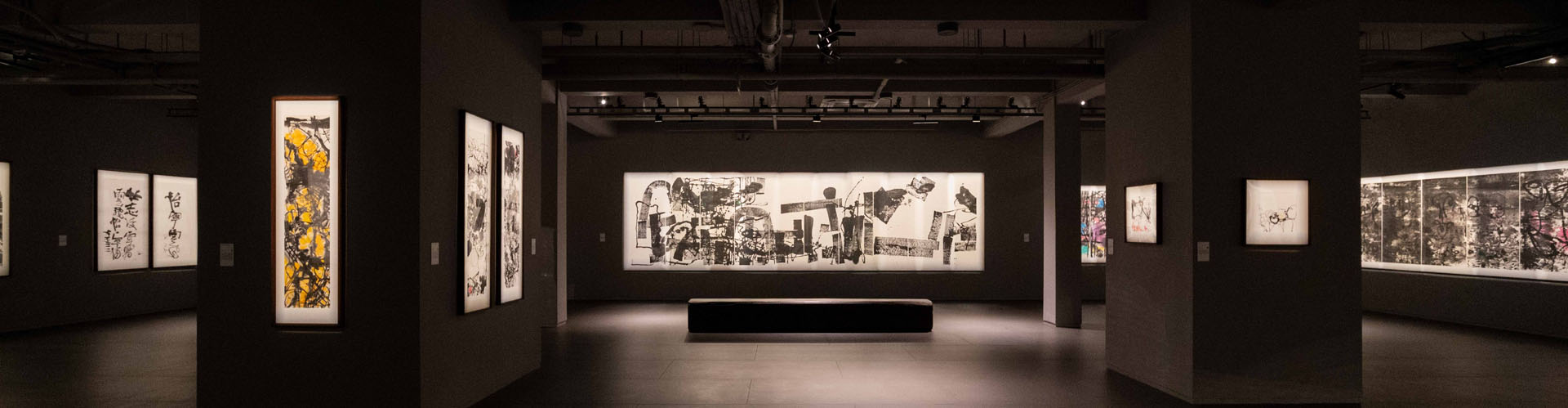
Report | A Profound Dialogue Between the Wanderer and the Homeland—Nostalgia in Andong Calligraphic Imagery Art
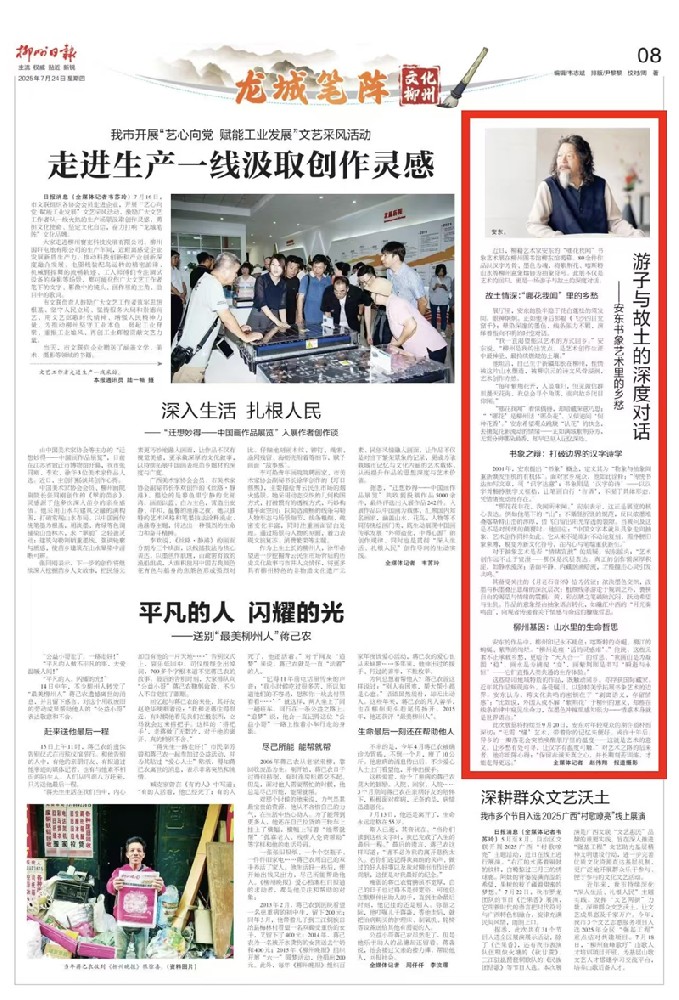
Andong (An Jicheng) (Artist)
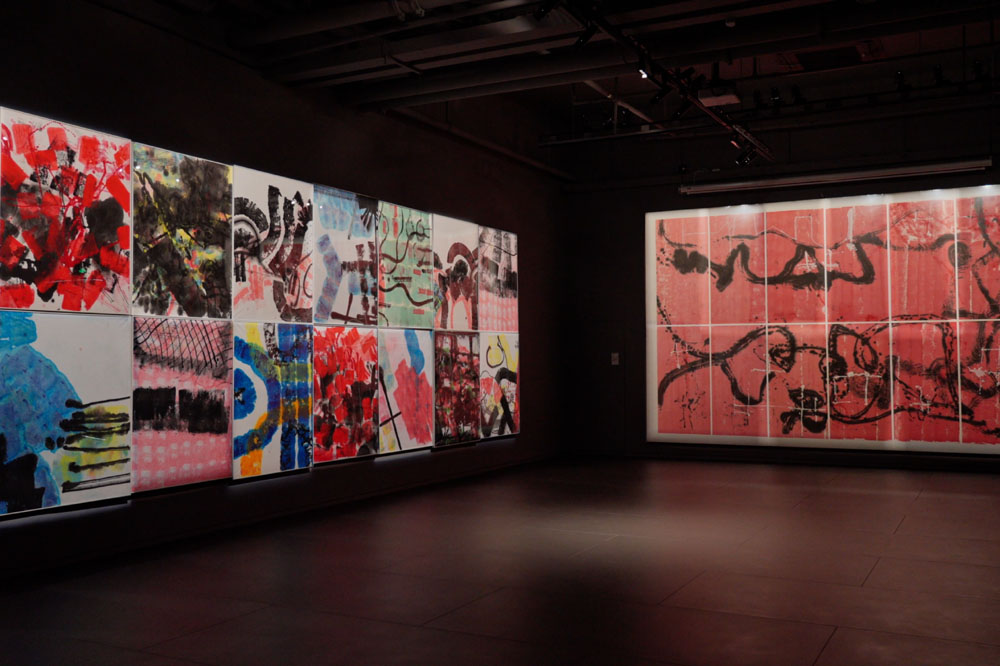
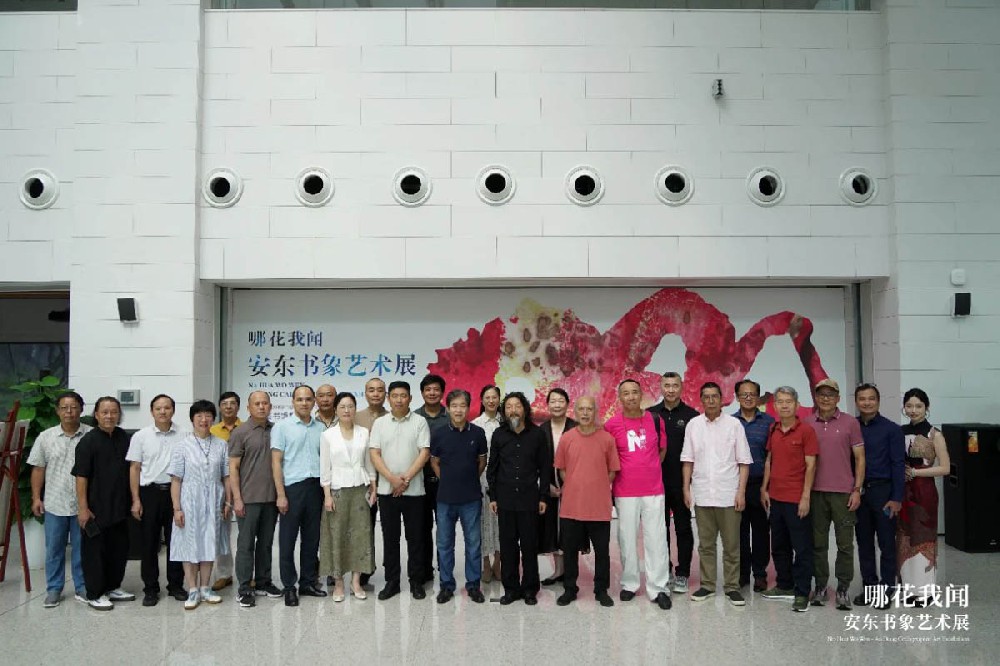
On July 5, the art exhibition "Which Flower Do I Perceive—Andong Calligraphic Imagery, "curated and organized by Zhuhai Jing Bainian Art Gallery and co-hosted by the Liudong Branch of Liuzhou Library, was unveiled at the Liudong Branch of Liuzhou Library. The artist Andong (An Jicheng) was invited by Liuzhou Daily for an interview conducted by journalist Zhao Weixiang. The interview was published in Liuzhou Daily and republished by multiple media outlets, including Liuzhou No.1 and Xin Broadcast. The following is the published content:
Deep Attachment to Homeland: Nostalgia in "Which Flower Do I Perceive"
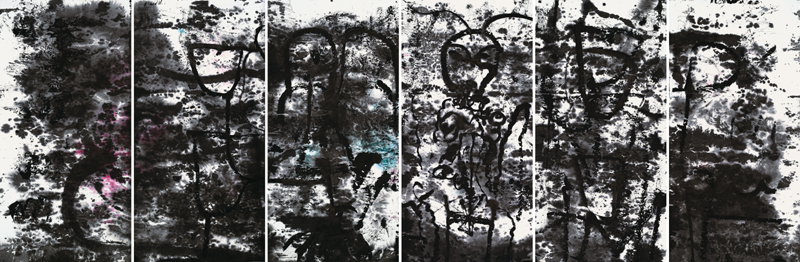
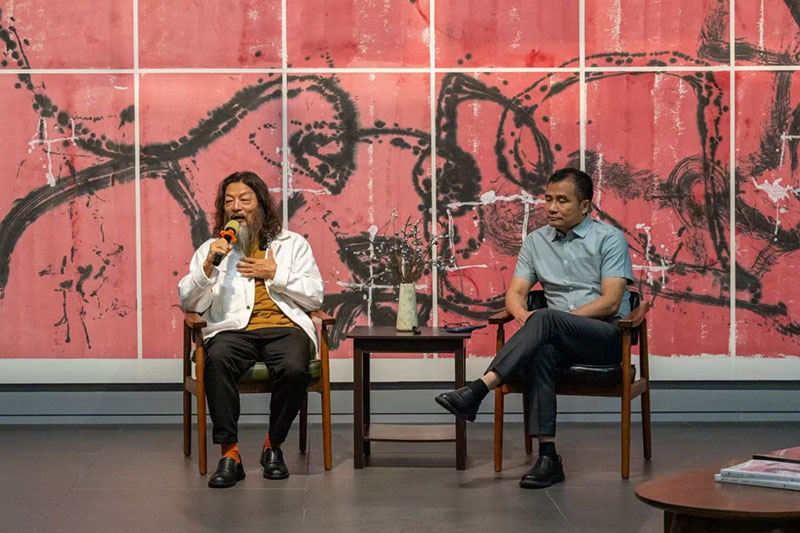
In the exhibition hall, Andong's face was partially framed by his voluminous, graying beard and hair, his eyes gleaming with intensity. This was perfectly mirrored in the piece behind him, "Feisha Simu Jiu Ku Qian (Four Eyes Through Flying Sand, Probing a Thousand Caves)": the deeply saturated ink washes and the unrestrained tension in the lines depicted a temporal and spatial dialogue open to interpretation.
"I have long yearned to return to my homeland through art," Andong (An Jicheng) said. "Liuzhou is my starting point, the most sacred and enduring soil of my artistic career."
He admitted that although he was born in Xinjiang, he grew up in Liuzhou. His temperament was shaped by these mountains and waters, infused with the literary spirit of Liu Zongyuan's poetry, and so too was his artistic creation.
"Every year when the bauhinia blooms, even if I cannot return, seeing the sea of flowers in WeChat groups, I would always find a corner, face my hometown, close my eyes, and breathe in its scent from afar."
"Which Flower Do I Perceive" may seem serendipitous, yet it conceals profound meaning and ingenuity: "'Nahua' in Liuzhou dialect means 'which flower,' yet it also resembles the question 'what kind of fragrance?'" Andong (An Jicheng) hoped that viewers would transcend the fixation on "identifying the flower" and instead capture the emotions flowing through its imagery—just as the fragrance of bauhinia permeates the entire city. There is no need to distinguish which bloom is the most fragrant, for it is already deeply engraved in memory.
The Discourse of Calligraphic Imagery: A Poetics of Chinese Characters Breaking Boundaries
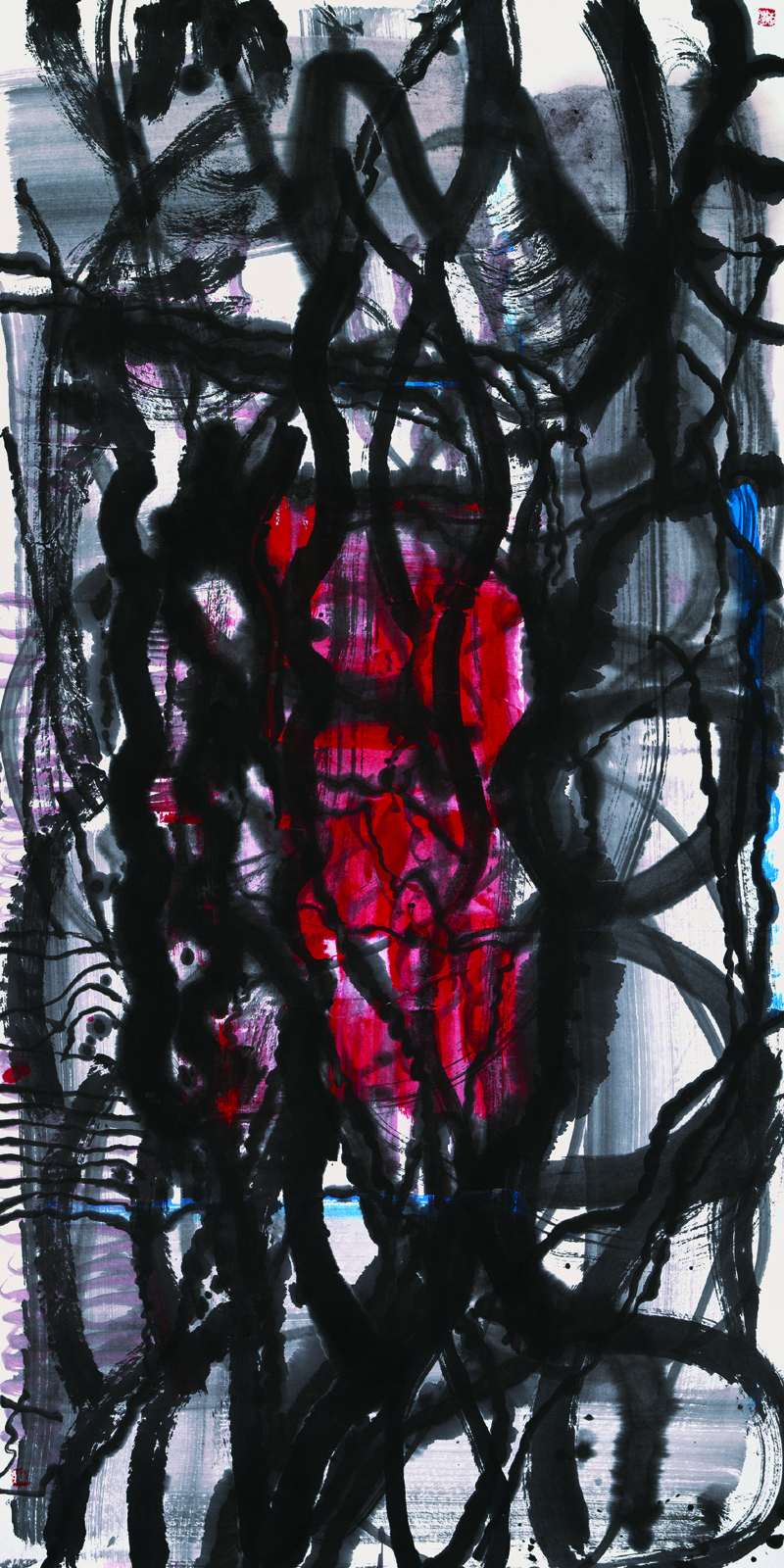
In 2001, Andong (An Jicheng) proposed the concept of "Calligraphic Imagery," defining it as "an organism revitalized between representation and abstraction." Addressing his hometown audience, he explained: "Traditional calligraphy is like writing an essay—one must 'recognize characters to grasp meaning.' Calligraphic Imagery, however, is 'the poetry of Chinese characters.' It liberates the skeletal structure of characters from the constraints of literal meaning, allowing the brushstrokes to 'speak' on their own, unrestrained by specific forms, existing through the flow of emotion."
"That flower is not a flower; what I perceive is what I have never perceived before." Andong (An Jicheng) stated that this was the core expression of the exhibition. For example, his rendition of "mountain" does not follow the standard strokes of vertical-turning and vertical. Instead, it employs dense ink to build the solidity of karst mountains, using "flying white" technique to leave cracks where sunlight pierces through. When asked whether this was a subversion of tradition, he responded: "Chinese characters originally evolved from the representational to the abstract, and artistic creation follows the same path. It is never about replicating unchanged forms; it must break free from old constraints, transform into new cultural symbols, and be reborn in the heart and at the brush tip."
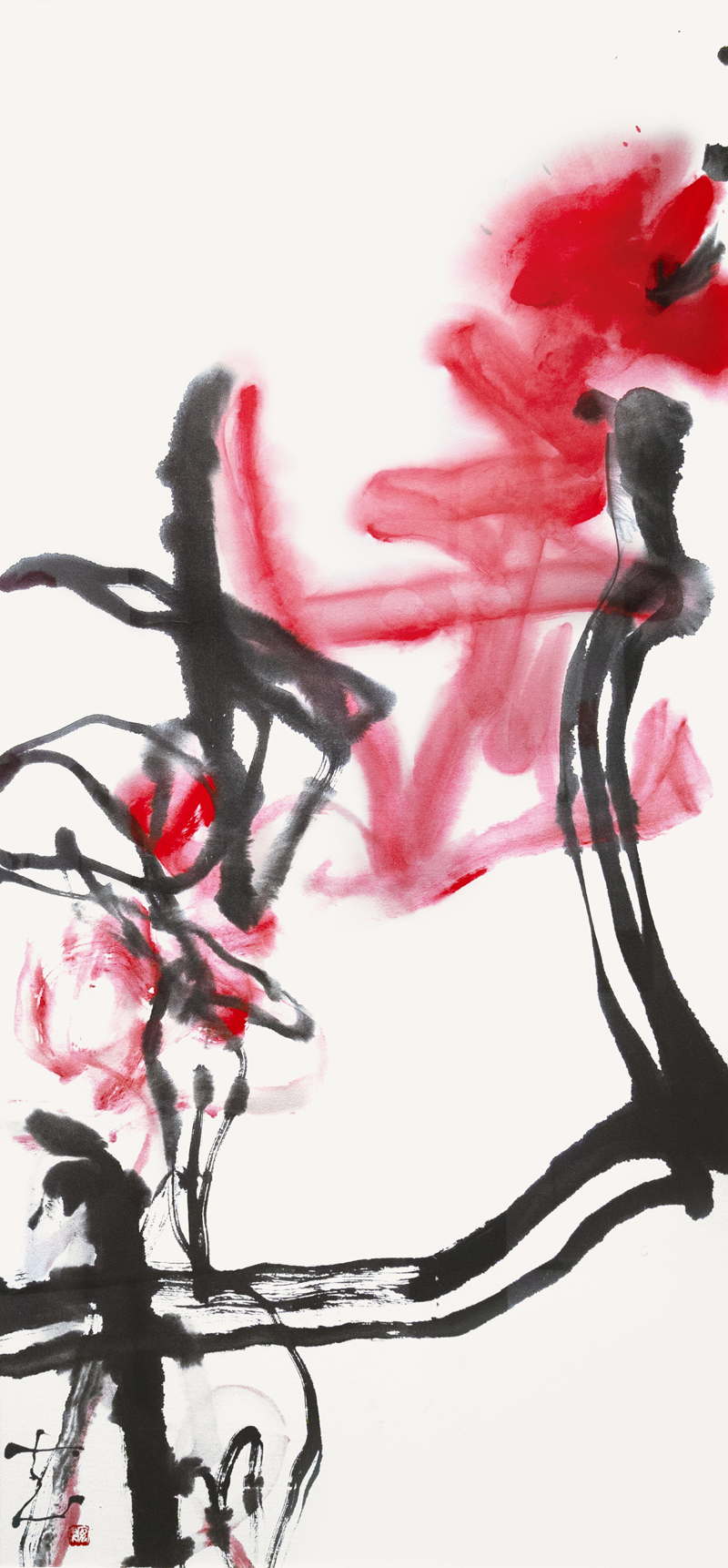
Regarding the question of whether abstract art is merely "emotional catharsis," Andong (An Jicheng) shook his head: "Artistic creation goes far beyond catharsis—that is only a superficial expression. True creation requires profound accumulation, like still water that runs deep: calm on the surface but concealing powerful undercurrents beneath. Only then can it strike a chord and resonate with the soul."
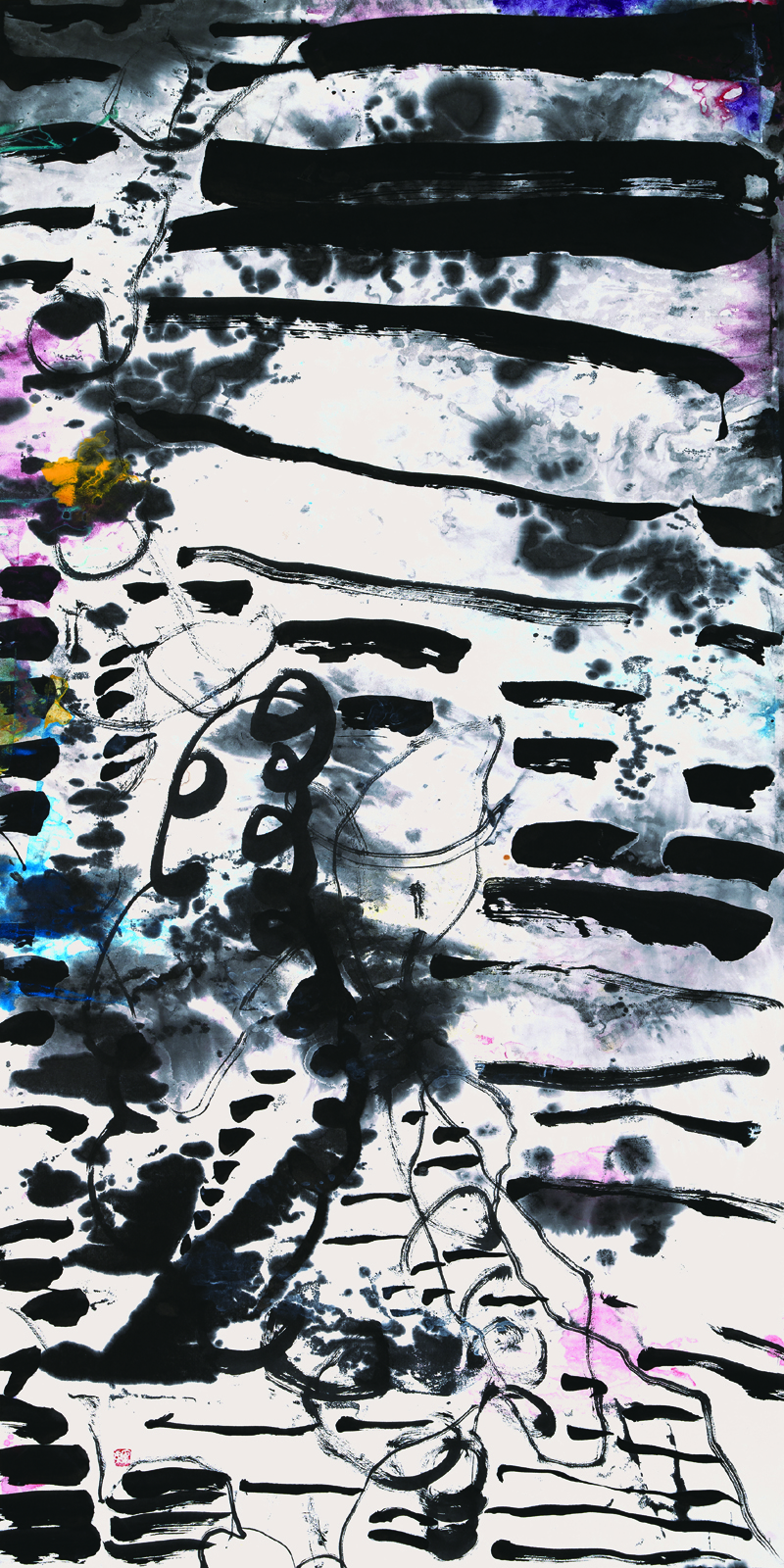
His widely noticed work Yuelao Shi Yin Huan (The Matchmaker's Ring, a Stone's Echo) serves as compelling proof: interwoven shades of ink, where splashed and accumulated layers evoke the profound depth of contemplation; thick and thin lines drift beyond convention, carrying within them a longing for freedom and the tremor of emotion; touches of yellow and color pierce the monotony, leaping with vitality and hope. The imagery of the piece, transformed through an abstract language, resonates like a "Moonlight Sonata" that bridges Eastern and Western sensibilities, conveying to viewers a hazy, philosophical meditation on emotion
The Liuzhou Gene: Life Philosophy in Landscapes
In Andong's (An Jicheng) works, the imprint of Liuzhou never fades: the ruggedness of karst landscapes, the winding course of the Liujiang River, the brilliance of bauhinia blooms. "Liuzhou is a 'living repository of inspiration,'" he said. These elements not only carry nostalgia but also resonate with the philosophy of "harmony between humanity and nature." "I paint mountains to solidify 'stability,' water to capture 'change,' and bauhinia to inscribe 'transience and eternity'—they directly address the universal human experience of existence."
These works, imprinted with regional characteristics, have moved fellow townspeople and captivated international collectors alike. In recent years, his works have frequently appeared overseas, garnering significant attention and expanding the boundaries of Calligraphic Imagery Art with their unique aesthetics. Andong (An Jicheng) believes the key to cross-cultural resonance lies in "stripping away semantics while preserving emotion": "For instance, foreigners may not understand the significance of 'bauhinia' in Liuzhou, yet they can glimpse vitality in the rhythm of lines and perceive tension in the clash of ink shades—emotion itself is a universal language."
The exhibition was scheduled to run until September 20. Andong's (An Jicheng) expectations for young viewers were simple yet profound: "There is no need to 'understand' art; just bring your memories. Perhaps a decade later, a falling petal in a foreign land may suddenly evoke the warmth felt in this exhibition hall—that is the meaning of art: to give nostalgia a place to reside, to let Chinese characters be touched with warmth." To those who follow the path of art, he also shared his insights candidly: "Retain a sincere and innocent heart, and commit to long-term, diligent practice—only then can one journey further."
热门推荐
更多-
2026-03-13
Exhibition Update|Andong Calligraphic Imagery Art Exhibition Unveils New Content!
read moreFollowing the widely acclaimed opening of "Tianyu Chizhen: An Dong's Calligraphic Imagery A···
-
2025-09-28
从水墨到书象,从设计到科技!珠海这场文艺沙龙聚焦青年创新力量
read more9月27日,由珠海市文学艺术界联合会主办、珠海市文艺志愿者协会承办的“新时代·青年视角——艺术与社会的对···
-
2025-07-25
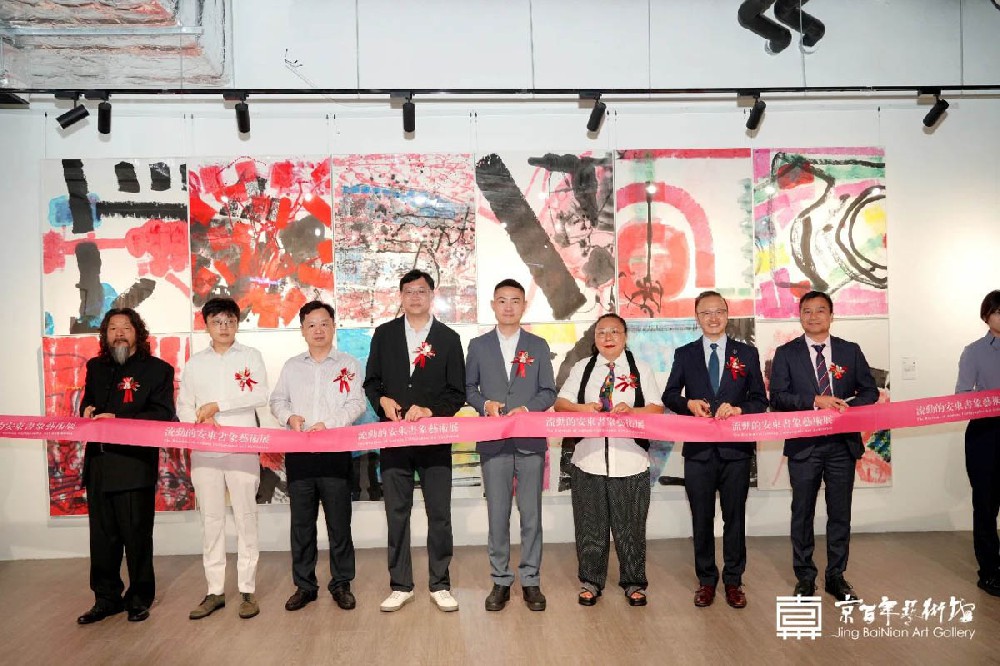
开幕现场|流动的——安东书象艺术展07.18
read more开幕现场|流动的——安东书象艺术展07.18
-
2025-07-25
开幕现场|哪花我闻安东书象艺术展07.05
read more开幕现场|哪花我闻安东书象艺术展07.05